Striving for Environmental Justice and Equity in Staffing: Promoting Diversity in the Field
WEBUILD STAFFING BLOG |
Striving for Environmental Justice and Equity in Staffing: Promoting Diversity in the Field
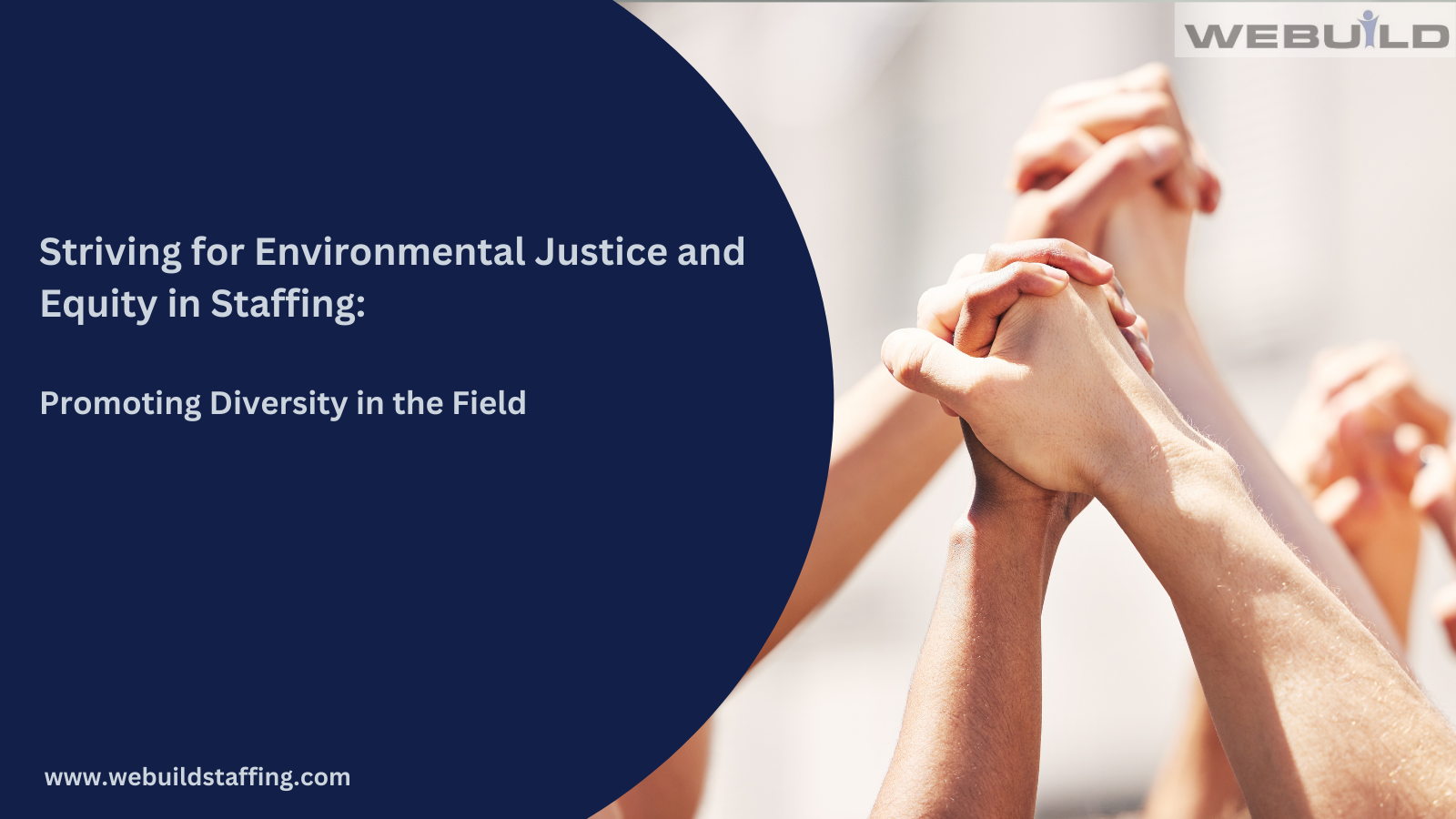
There has been a growing recognition of the vital intersection between environmental justice, equity, and diversity in staffing within environmental organizations. As our society grapples with the urgent need to address environmental issues, it becomes increasingly apparent that diverse perspectives and experiences are essential in crafting effective solutions. Environmental justice encompasses the fair treatment and meaningful involvement of all people, regardless of race, ethnicity, socioeconomic status, or other factors, in environmental decision-making. Achieving environmental justice requires not only addressing disparities in environmental burdens but also ensuring equitable representation and participation in environmental organizations. In this article, we explore the importance of promoting diversity in the staffing of environmental organizations and strategies for fostering inclusivity and equity.
Understanding the Importance of Diversity in Environmental Organizations
Diversity in environmental organizations is crucial for several reasons:
-
Diverse Perspectives: A diverse workforce brings together individuals with varied backgrounds, experiences, and perspectives. This diversity fosters innovation and creativity, enabling organizations to develop more comprehensive and effective strategies for addressing environmental challenges.
-
Representation: Environmental issues affect communities of all demographics, yet historically marginalized groups, including people of color and low-income communities, have often been underrepresented in environmental decision-making processes. By promoting diversity in staffing, organizations can ensure that a broader range of voices and experiences are represented, leading to more inclusive and equitable outcomes.
-
Access to Resources: Environmental organizations play a pivotal role in advocating for policies and initiatives that protect the environment and promote sustainability. However, without diverse representation in these organizations, the needs and concerns of marginalized communities may be overlooked, perpetuating existing inequalities in access to resources and opportunities.
Challenges to Diversity in Environmental Staffing
Despite the importance of diversity, environmental organizations face several challenges in achieving equitable representation in their staffing:
-
Lack of Diversity Initiatives: Many environmental organizations have historically been dominated by white, male leadership, creating barriers to entry for individuals from underrepresented groups. Without intentional efforts to promote diversity and inclusion, these organizations may struggle to attract and retain diverse talent.
-
Bias in Hiring Practices: Unconscious bias in hiring practices can perpetuate disparities in staffing by favoring candidates who fit traditional norms or cultural expectations. This bias may manifest in various forms, such as preferring candidates from prestigious academic institutions or overlooking candidates with non-traditional backgrounds.
-
Limited Networks: Building a diverse workforce requires access to a wide pool of candidates from diverse backgrounds. However, environmental organizations may face challenges in reaching out to and engaging with individuals from underrepresented communities due to limited networks and outreach efforts.
Strategies for Promoting Diversity and Equity in Environmental Staffing
To address these challenges and promote diversity and equity in environmental staffing, organizations can adopt various strategies:
-
Establishing Diversity Initiatives: Organizations should develop and implement formal diversity initiatives aimed at increasing representation from underrepresented groups within their workforce. These initiatives may include setting diversity goals, implementing inclusive recruitment and retention practices, and providing training on unconscious bias and cultural competency.
-
Broadening Recruitment Efforts: To attract a more diverse pool of candidates, organizations should broaden their recruitment efforts beyond traditional channels. This may involve partnering with community organizations, attending diversity-focused career fairs and events, and utilizing targeted advertising and outreach strategies to reach individuals from underrepresented backgrounds.
-
Improving Hiring Practices: Organizations should review and revise their hiring practices to minimize bias and promote equity. This may include implementing blind resume reviews, standardized interview processes, and diversity training for hiring managers and staff involved in recruitment.
-
Creating Inclusive Work Environments: In addition to hiring diverse talent, organizations must also create inclusive work environments where all employees feel valued, respected, and supported. This involves fostering a culture of diversity and inclusion, providing opportunities for professional development and advancement, and addressing issues of discrimination and harassment proactively.
-
Engaging with Communities: Environmental organizations should actively engage with communities most affected by environmental injustices to understand their needs, concerns, and priorities. This may involve forming partnerships with community organizations, conducting outreach and education initiatives, and involving community members in decision-making processes.
-
Investing in Pipeline Programs: To address long-term disparities in representation, organizations should invest in pipeline programs aimed at supporting individuals from underrepresented backgrounds at various stages of their education and career development. This may include scholarships, internships, mentorship programs, and other initiatives designed to increase access and opportunities for marginalized groups.
Case Studies in Diversity and Equity in Environmental Staffing
Several organizations have made significant strides in promoting diversity and equity in environmental staffing. For example:
-
The Greenlining Institute: This California-based nonprofit organization focuses on racial and economic justice and has implemented various initiatives to promote diversity in environmental leadership. These initiatives include a fellowship program for emerging leaders from underrepresented communities and advocacy efforts to increase diversity on corporate boards and in government agencies.
-
The Environmental Defense Fund (EDF): EDF has made diversity and inclusion a priority within its organization and has implemented several initiatives to foster a more inclusive workplace culture. These initiatives include unconscious bias training for staff, diversity recruiting strategies, and employee resource groups for underrepresented populations.
-
The Nature Conservancy: The Nature Conservancy has launched several initiatives aimed at increasing diversity and equity within the organization, including the creation of a Diversity, Equity, and Inclusion Council and the implementation of diversity training programs for staff at all levels.
Promoting diversity and equity in environmental staffing is not only a matter of social justice but also essential for effectively addressing environmental challenges. By embracing diversity and inclusivity, environmental organizations can tap into a broader range of perspectives and experiences, leading to more innovative and equitable solutions. By implementing strategies such as establishing diversity initiatives, broadening recruitment efforts, improving hiring practices, creating inclusive work environments, engaging with communities, and investing in pipeline programs, organizations can work towards building a more diverse and equitable environmental movement for the benefit of all.
Webuild Staffing Agency is a leading executive search and staffing agency dedicated to the construction, engineering and environmental industries. To learn more please visit: www.webuildstaffing.com