Maximizing Efficiency: Expert Strategies for Streamlining Environmental Staffing Processes
WEBUILD STAFFING BLOG |
Maximizing Efficiency: Expert Strategies for Streamlining Environmental Staffing Processes
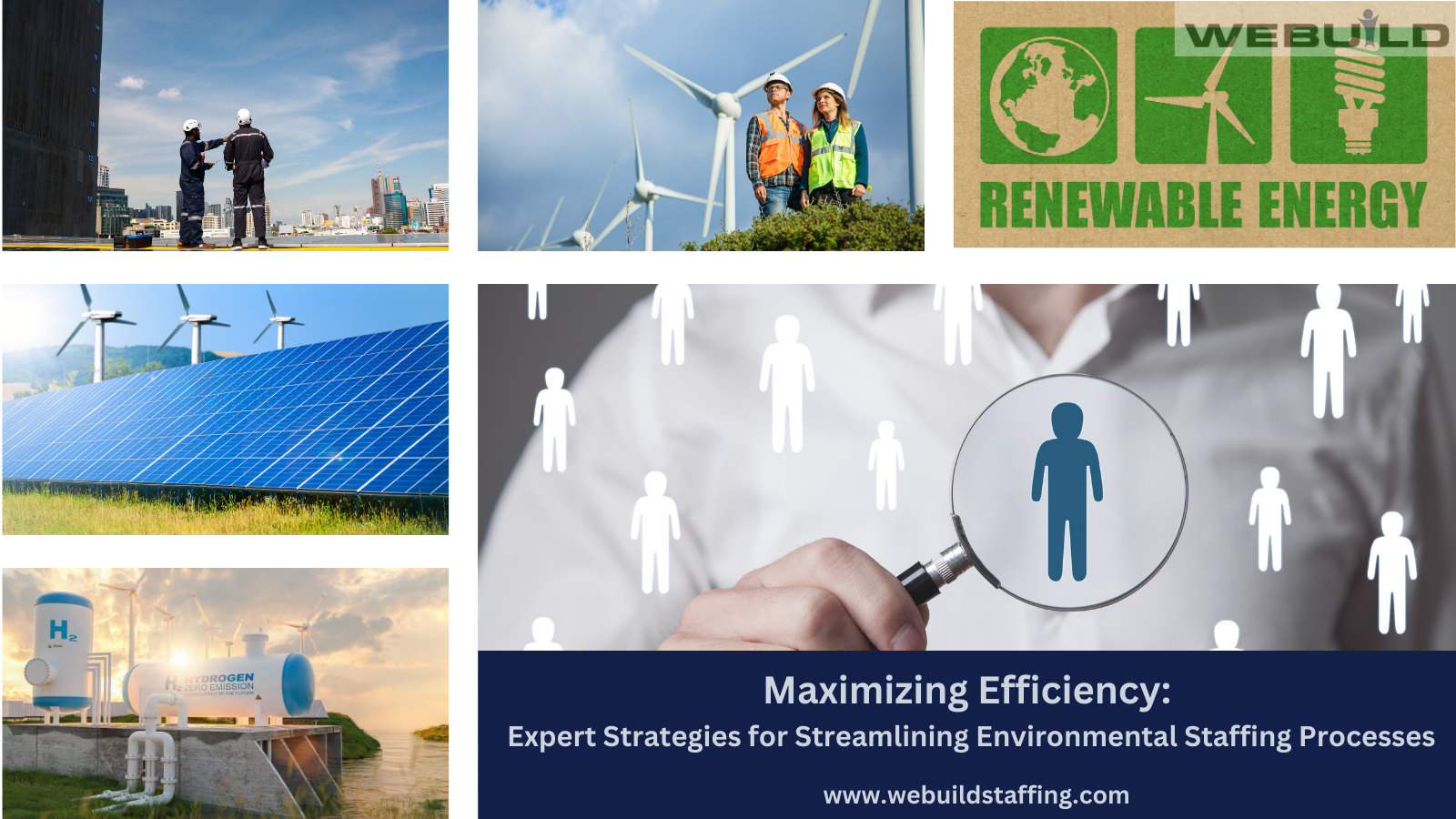
The demand for skilled professionals to address complex challenges is ever-growing. From climate change mitigation to sustainable resource management, organizations across various sectors are increasingly prioritizing environmental staffing. However, ensuring efficient environmental staffing processes within this niche field can be a daunting task. Recruiting qualified personnel with the right expertise and credentials while meeting budgetary constraints requires a strategic approach to streamline your recruitment processes effectively.
Understanding Environmental Staffing Dynamics
Before delving into strategies for optimizing environmental staffing processes, it’s crucial to grasp the unique dynamics of this field. Environmental roles encompass a diverse range of disciplines, including environmental science, engineering, policy, and advocacy. The complexity of environmental issues necessitates a multidisciplinary approach, requiring professionals with specialized knowledge and skills.
Moreover, the evolving regulatory landscape and advancements in sustainability practices continually reshape the requirements for environmental positions. This dynamic nature adds another layer of complexity to staffing processes, necessitating adaptability and foresight from hiring managers.
Challenges in Environmental Staffing
Several challenges often hinder the efficiency of environmental staffing processes:
-
Specialized Skill Set: Identifying candidates with the requisite expertise in niche areas such as renewable energy, environmental compliance, or ecological restoration can be challenging.
-
Competition for Talent: The demand for environmental professionals often outstrips the available talent pool, leading to fierce competition among employers.
-
Regulatory Compliance: Ensuring compliance with environmental regulations adds complexity to hiring processes, requiring thorough vetting of candidates’ qualifications and credentials.
-
Budget Constraints: Limited budgetary resources may restrict organizations from investing in comprehensive recruitment strategies or offering competitive compensation packages.
Strategies for Streamlining Environmental Staffing Processes
To overcome these challenges and maximize efficiency in environmental staffing, organizations can implement the following strategies:
Define Clear Job Requirements
Begin by clearly defining the roles and responsibilities associated with each position. Identify the specific skills, qualifications, and experience necessary for success in the role. By establishing precise job requirements, you can effectively target your recruitment efforts and attract candidates who meet the desired criteria.
Leverage Technology
Embrace technology-driven solutions to streamline recruitment processes. Applicant tracking systems (ATS), online job boards, and professional networking platforms can facilitate candidate sourcing, screening, and communication. Automation tools can help sift through resumes, schedule interviews, and track applicant progress, saving time and resources for hiring teams.
Build Talent Pipelines
Invest in building talent pipelines to proactively engage with potential candidates. Establish relationships with universities, professional associations, and industry networks to identify emerging talent and cultivate long-term connections. By maintaining a pool of pre-screened candidates, you can expedite the hiring process when positions become available, reducing time-to-fill metrics.
Partner with Specialized Recruiters
Collaborate with recruiting agencies or headhunters specializing in environmental staffing. These professionals possess industry-specific knowledge and extensive networks, enabling them to identify qualified candidates efficiently. By leveraging their expertise, you can access a broader talent pool and expedite the recruitment process while focusing on core business priorities.
Prioritize Diversity and Inclusion
Promote diversity and inclusion in your recruitment efforts to foster innovation and creativity within your organization. Actively seek candidates from underrepresented groups and implement inclusive hiring practices to ensure equal opportunities for all applicants. Embracing diversity not only enhances organizational culture but also expands the talent pool by tapping into diverse perspectives and experiences.
Offer Professional Development Opportunities
Demonstrate a commitment to employee growth and development by offering ongoing training and professional development opportunities. Invest in skill-building programs, certifications, and continuing education to empower your workforce and enhance retention. By fostering a culture of learning and advancement, you can attract top talent and cultivate a team of high-performing environmental professionals.
Streamline Onboarding Processes
Optimize the onboarding process to facilitate seamless integration for new hires. Provide comprehensive orientation sessions, access to relevant resources, and clear guidance on job expectations and performance objectives. Establish mentorship programs or buddy systems to support new employees during their transition period and facilitate knowledge transfer within the organization.
Monitor Key Performance Indicators (KPIs)
Track key performance indicators related to your staffing processes, such as time-to-fill, cost-per-hire, and candidate satisfaction. Analyze recruitment metrics regularly to identify bottlenecks, inefficiencies, and areas for improvement. By leveraging data-driven insights, you can refine your recruitment strategies, enhance process efficiency, and optimize resource allocation.
Efficient environmental staffing processes are essential for organizations seeking to address complex environmental challenges effectively. By understanding the unique dynamics of the environmental workforce and implementing strategic recruitment strategies, organizations can streamline their staffing processes, attract top talent, and drive sustainable success. By embracing technology, building talent pipelines, prioritizing diversity and inclusion, and fostering a culture of continuous learning, organizations can position themselves as leaders in environmental stewardship and innovation. With a proactive and strategic approach to staffing, organizations can build high-performing teams capable of driving meaningful impact in the ever-evolving environmental landscape
Webuild Staffing Agency is a leading executive search and staffing agency dedicated to the construction, engineering and environmental industries. To learn more please visit: www.webuildstaffing.com